Conditions we help with

Here are just some of the conditions that can be treated with our range of therapies.

php
What is Achilles Tendinopathy? Achilles tendinopathy affects the Achilles tendon (that joins the heel to Read More
php
The technical name for a frozen shoulder is adhesive capsulitis. Symptoms typically include stiffness and Read More
php
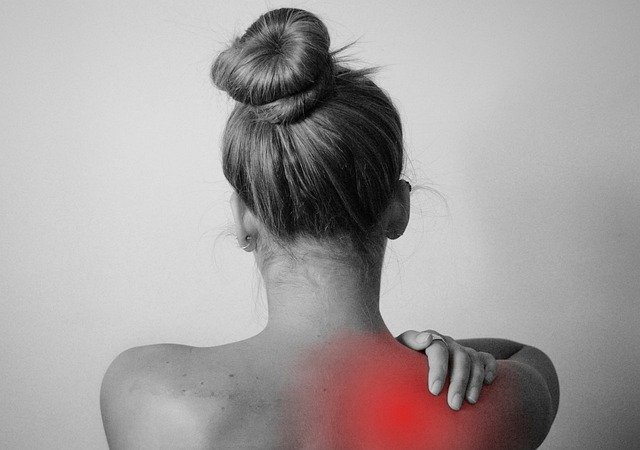
Calcific tendinitis is caused by the build up of calcium deposits in your muscles or Read More
php
Plantar fasciitis is one of the most common injuries that we see at the Theale Read More
php
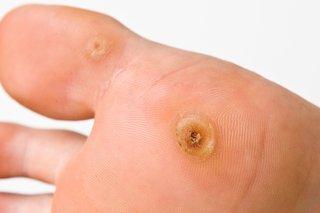
Warts & verrucas are caused by a virus, they can be spread to other people Read More
php
Golfers elbow is normally identified with pain on the inside of the elbow whereas tennis Read More
php
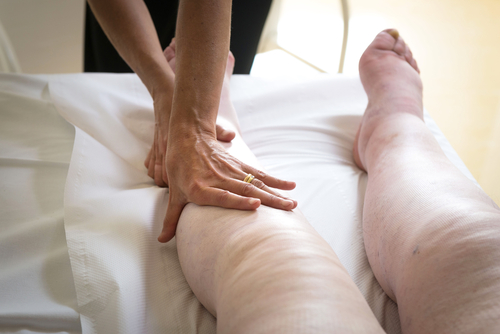
Primary Lymphoedema and Secondary Lymphoedema is the chronic swelling of one or more body parts, Read More
php
There are occasions when despite your best efforts nail surgery is required to give a Read More
php
Jumper’s knee is an over-use injury associated with lots of running, kicking or jumping, especially Read More
php
Lateral epicondylitis is normally identified with pain on the outside of the elbow whereas Golfers Read More

Ready to book your treatment?

You can book your treatment online or by telephone.

What is Achilles Tendinopathy?

Achilles tendinopathy affects the Achilles tendon (that joins the heel to the calf muscle) by causing pain, swelling and stiffness to the back of the heel. It is thought to be caused by repeated small injuries to the Achilles tendon. This condition can have the effect of making simple movement such as walking painful – a chronic condition is defined as symptoms that persist for more than six weeks. It can affect anyone but especially people who are involved in running and jumping activities. It is thought that more than 150,000 people every year are affected by this condition. This strong and flexible tendon is the in the body.

What are the symptoms of this condition?

Symptoms are usual increasing pain and stiffness and possibly some swelling at the back of the ankle. The pain may come and go and a grating noise or creaking feeling may be noticeable when the ankle is moved. Symptoms may be more noticeable after exercise when stiffness may also occur that recedes once movement starts again.


What is a Frozen Shoulder?

The technical name for a frozen shoulder is adhesive capsulitis. Symptoms typically include stiffness and pain in the shoulder joint which leads to restricted movement.

How does a frozen shoulder feel?

Pain is intense but short lived when the shoulder is moved in a particular way. Patients will often have difficulty doing simple tasks such as getting dressed or just lifting their arms up.

The longer it is left without treatment the more restricted the movement.


What is Calcific tendinitis?

Calcific tendinitis is caused by the build up of calcium deposits in your muscles or tendons. In the case of your shoulder this is the rotator cuff. The rotator cuff is a group of muscles and tendons that connects your upper arm to your shoulder.

How will calcific tendinitis effect me?

This condition can restrict the range of motion in your arm, as well as cause pain and discomfort. It is one of the most common causes of shoulder pain.

Who is affected by this condition?

It is often seen in people who are involved in heavy lifting, basketball players of tennis players. It occurs most commonly between 30 and 60 years of age and can, eventually resolve of its own accord; although this can take some years.

How is Calcific tendinitis diagnosed?

Calcific tendinitis is usually diagnosed via x-ray or ultrasound; ultrasound is a more useful diagnostic tool as it is more likely to show smaller deposits and gives a clearer indication of the size of larger deposits. Your GP can refer you for x-ray whereas osteopaths and physiotherapists can refer you for ultrasound scans.

Treatment Options

There are a number of possible treatment options for calcific tendinitis of the shoulder. These include painkillers and non-steroidal anti-inflammatory medication; physiotherapy or osteopathy to keep the shoulder strong and mobile; steroid injections to reduce the inflammation, Barbotage to break down and “wash out” the calcium deposit, surgical excision and Extracorporeal Shockwave Therapy (ESWT). Research has shown ESWT to be a “safe and effective non-invasive treatment for people with calcific tendinitis of the shoulder”.1

What is Plantar Fasciitis?

Plantar fasciitis is one of the most common injuries that we see at the Theale Wellbeing Centre. It is the most frequent cause of chronic heel pain usually where the fascia under the foot inserts into the heel bone. It is thought to have a mechanical origin and can be associated with increased body weight and lower limb biomechanical anomalies. Inflammation is only rarely observed and so anti-inflammatory agents (e.g. Ibuprofen) are unlikely to be of much help. The priority should be to speak to one of our podiatrists as soon as possible as an early intervention usually leads to a better outcome. When managing Plantar Fasciitis, the following should be considered: –

  • Taping may help in the early stage. If this proves beneficial in terms of pain relief and improved function, shoe inserts (orthotics) should be considered as part of a longer term solution.
  • Calf and plantar fascia stretching should be undertaken regularly.
  • Footwear should be assessed to ensure that it is appropriate for you.
  • If the pain in the heel has been present for a prolonged period e.g. 6 months. Shockwave therapy should be considered.
  • The pain associated with Plantar fasciitis usually encourages sufferers to become more sedentary.
  • As increased body weight predisposes someone to have plantar fasciitis it is important to have a plan that helps to maintain a healthy body weight.

This blog/video also gives you some information on relieving the symptoms of this injury.

A verruca, or wart, is a virus that lies between the layers of your skin. At best they are inconvenient but they can become very painful and will often spread as they are highly contagious. They normally appear on the feet or around the toe area and appear as little black spots under hard skin. They are often painful like standing on a needle. There are a variety of verruca treatments as discussed below.

While some verrucas are painless and may go away on their own they can often become very painful and take months or years to go if they do at all.

What is a Golfers Elbow?

Golfers elbow is normally identified with pain on the inside of the elbow whereas tennis elbow is often pain on the outside of the elbow.

This condition happens when the muscles are overused and is usually caused by repeated stress on the elbow joint.

Although the common name is golfers elbow and it could be caused by golf, it is more often associated with other activities that places stress on the arm and specifically the elbow joint. Activities might include, sports that involve the hands gripping things such as a weights or clubs/rackets and also manual handling perhaps plumbers, builders or construction workers.

How does a Golfers Elbow feel and who may be affected?

  • Initially you might feel pain on the inside of your elbow
  • You may also feel pain that extends from the elbow down the inside of the forearm
  • Your elbow could become stiff
  • You may feel pain when you are gripping things such as a golf club
  • It could be that you have weakness in your wrist and hands
  • You may also have ‘pins & needles’ or numbness in your fingers

It is most commonly seen, equally in men and women, who are over 40 years old. Individuals who are putting a strain on their elbows for 2 plus hours per day. Smoking and obesity can also cause a higher risk of developing this condition

What treatments are available for golfers elbow?

There are a number of treatment options from manipulation and or exercises to injections and even surgery. One of the newest treatments available is shockwave therapy.

It is clinically proven that pressure waves, when applied to injured tissues, stimulate metabolic reactions, in less technical terms it encourages the body to heal itself. These reactions include: –

  • Reduction of pain felt by nerve fibers
  • Increased blood circulation in surrounding soft tissues
  • Beginning of healing process triggered by stem cells activation

This video from Michael Palfrey will give you more information.

What is Lymphoedema?

Primary Lymphoedema and Secondary Lymphoedema is the chronic swelling of one or more body parts, most commonly an arm or leg.  If there is some sort of damage, blockage or defect of the lymphatic system, it fails to drain away the lymph fluid from the tissues effectively and this causes swelling.

There are two main categories of Lymphoedema, Primary lymphoedema and Secondary lymphoedema.

Primary 

Primary lymphoedema is caused by alterations (mutations) in genes responsible for the development of the lymphatic system.

The “faulty” genes cause the parts of the lymphatic system responsible for draining fluid not to develop properly or not work as they should.

Primary lymphoedema often runs in families, although not every child born to someone with the condition will develop it themselves.

Secondary 

Secondary lymphoedema develops in people who previously had a normal lymphatic system that then becomes damaged.

It can have a number of different causes. Some of the most common causes are cancer treatment, injury, infection, immobility or inflammation of the limb.

What treatment can I get?

Lymphoedema Therapy

Lymphoedema Therapy consists of Manual Lymph Drainage (MLD), Compression Therapy, Skin Care and Remedial exercise. Applied together they form the Complete Decongestive Therapy (CDT).

CDT –  two phases

The first phase is an intense period of compression bandaging with short stretch bandages, MLD if not contraindicated and kinesio taping, all to provide maximum outcome in reducing the swelling to a manageable size. Patients will come to the clinic several times a week or every day. Duration of that phase is entirely dependent on the individual patient’s condition.

Phase two is to move to self-management. During this phase a made to measure compression garment is provided. Skin care and remedial exercise complement compression therapy during both phases.

Patients are reassessed every 4 to 6 months and remeasured for made to measure garments

Manual Lymph drainage

MLD is a specialised, gentle form of skin massage which may be used as part of lymphoedema treatment.  MLD aims to encourage the extra lymph fluid to move away from the swollen area so it can drain normally. It includes special techniques to help to break down the fibrotic areas and more.

Post trauma or post-operative patient management

MLD Techniques together with kinesio taping are used to provide regular management of secondary lymphoedema particular due to trauma and post operative patient management to reduce swelling, improve the time of recovery, scar management and to improve the joint mobility.

Pregnancy

Fluid retention during pregnancy can be managed with MLD and kinesio taping. Particularly relevant when there are unmanaged scars of C section from a previous pregnancy.

If you would like to learn more about this condition – this video features Yulia explaining the condition and her therapy.

There are occasions when despite your best efforts nail surgery is required to give a permanent solution to the painful and potentially dangerous condition of an ingrowing toenail. At the Theale Wellbeing Centre we treat ingrowing toenails as an emergency due to the potential for pain and infection and will try to get you seen in the clinic as soon as possible.

An ingrowing toenail is one that has put so much pressure on the edge of the toe, often due to its  curved shape, that the nail has broken the surface of the skin. Minor nail surgery consists of the permanent removal of the problematic side or sides under local anaesthetic.

While the two injections to the base of the toe may be slightly uncomfortable the procedure itself is painless. Any discomfort after the procedure can be managed with paracetamol although this is not always necessary.

The toe usually needs to be dressed for about a month following surgery but a couple of days off work is usually enough to give the healing process enough of a start. Sometimes recreational activities need to be postponed during healing e.g. sport but otherwise activities can be recommenced soon after the procedure.

When we carry out this procedure at the Theale Wellbeing Centre we always discuss the options with you so that you can make an informed decision. If you have been suffering with a painful toenail which you think may be ingrowing please call us and make an appointment to see one of our podiatrists.

What is Patella Tendinopathy ( jumper’s knee )?

Patella tendinopathy (commonly referred to as “Jumper’s knee”) is characterised by localised pain just below the kneecap. This area can be very tender to touch, painful during sporting activity and stiff and achy after exercise. Jumper’s knee is an over-use injury associated with lots of running, kicking or jumping, especially if there are associated problems with the quadriceps muscles, foot biomechanics or training techniques. Patella tendinopathy is associated with lots of strain on the tendon over a prolonged period which leads to degeneration of the collagen fibres which form the tendon. This is slightly different from patella tendinitis which infers a more acute inflammation of the tendon and can often settle with anti-inflammatory medication, the application of ice and a short period of rest.

What are the treatments available for this condition?

In extreme cases patella tendinopathy can require surgery to remove any “abnormal tissue” within the tendon but this is often a last resort. In most cases, patella tendinopathy can successfully be treated using a much less invasive approach. In the first instance, non-steroidal anti-inflammatories (NSAIDs) and the R.I.C.E. (rest, ice, compression, elevation) protocol can help to alleviate the discomfort although NSAIDs have been reported to impede healing. If the symptoms are becoming more persistent or severe it is worth consulting a physiotherapist or osteopath who can provide hands-on treatment as well as advice on exercise and training regimes.

If the symptoms don’t respond to these measures there are a number of other options available, these include cortico-steroid injections (these can also have a negative impact on the healing process), a programme of eccentric-concentric loading exercises and extracorporeal shockwave therapy (ESWT)1.

Shockwave Therapy

Shockwave Therapy involves delivering acoustic shockwaves to the injured tissues to provide rapid pain relief and stimulate a healing reaction. Most patients require between 3 and 6 treatments over a 12 week period alongside a bespoke exercise programme to experience a significant improvement in their symptoms although pain relief can occur almost immediately after the first session.

Will I make a full recovery?

The vast majority of patients who suffer from patella tendinopathy are able to return to their previous activity levels once they have recovered from their symptoms but it is often worthwhile continuing with a programme of exercise to protect the area and prevent a reoccurrence of the injury.

What is Lateral epicondylitis?

Lateral epicondylitis is normally identified with pain on the outside of the elbow whereas Golfers elbow is often pain on the inside of the elbow.

This condition is an overuse injury caused by repeated stress on the elbow joint. When the muscles are overused or strained small tears and swelling (inflammation) can develop near the bend in the arm on the outside of your elbow.

Although the common name is tennis elbow and it could be caused by tennis, it is more often associated with other activities that place stress on the arm and specifically the elbow joint. Activities could include manual work, playing sport or music, so doing things such as painting and decorating, playing squash or playing a musical instrument such as a fiddle or violin.

How does Lateral epicondylitis feel and who may be affected?

  • Initially you might feel pain in your upper forearm
  • It could be painful when you are lifting, twisting or bending your arm
  • You may feel pain when you are gripping things such as a racket
  • It could be that you also find it difficult to straighten your arm

According to the NHS around 5 in every 1,000 people will go to see their Doctor about this condition and that as many as one in three people have it at any given time.

It is most commonly seen, equally in men and women, who are between 40 and 60 years old.

What treatments are available for Lateral epicondylitis?

There are a number of treatment options from manipulation by a physiotherapist or osteopath. For more serious conditions you might consider injections or even surgery. One of the newest treatments available is shockwave therapy. Shockwave is particularly effective for stubborn conditions.

It is clinically proven that pressure waves, when applied to injured tissues, stimulate metabolic reactions, in less technical terms it encourages the body to heal itself. These reactions include:-

  • Reduction of pain felt by nerve fibers
  • Increased blood circulation in surrounding soft tissues
  • Beginning of healing process triggered by stem cells activation