Conditions we help with

Here are just some of the conditions that can be treated with our range of therapies.

php
Greater Trochanteric Pain Syndrome (GTPS) is a chronic condition potentially affecting a number of structures Read More
php
Chilblains are common and usually found on the toes and present as small red or Read More
php
Blisters What causes blisters? Blisters are caused by shearing stress of the skin, this could Read More
php
Patella tendinopathy (commonly referred to as “Jumper’s knee”) is characterised by localised pain just below Read More
php
Rotator cuff tendinosis is the development of small tears in the tissue surrounding the tendon. Read More
php
Around 1 in 4 pregnant women in the UK has a caesarean birth, without addressing Read More
php
Although much is talked in the media about this condition – normally bad stress – Read More
php
Here is a bit of text that appears as an excerpt on the conditions page. Read More
php
Heel pain is most commonly one of two conditions either Plantar Fasciitis (bottom of the Read More
php
Back pain is very common and in most cases will improve within a few weeks/months. Read More

Ready to book your treatment?

You can book your treatment online or by telephone.

What is Greater Trochanteric Pain Syndrome ?

Greater Trochanteric Pain Syndrome (GTPS) is a chronic condition potentially affecting a number of structures around the hip. It is characterised by pain and tenderness over the outside of the buttock and thigh. The pain usually arises from a tendinopathy (tendon injury) in the gluteal muscles. Previously it was thought that the pain was caused by inflammation of a bursa; known as trochanteric bursitis (a bursa is a fluid filled sac which reduces friction between bone and soft tissue). However, recent studies have shown that injury to the gluteal tendons is often the cause of pain.1,2

Who does Great Trochanteric Pain Syndrom Effect?

GTPS has been reported to affect between 10 and 25% of the population with a greater prevalence amongst women.

What causes GTPS?

There are a number of possible causes for GTPS, these include:

  • Trauma e.g. a fall onto the hip or contact sports
  • Overuse of the muscles e.g. repetitive movements such as running/walking
  • Standing with weight on one leg for long periods
  • Ongoing lower back pain
  • Obesity

How does it manifest itself?

GTPS tends to come on quite gradually and usually manifests itself as pain over the lateral part of the hip. Over time the symptoms can build up to the point where it becomes painful to walk, run or climb stairs. It can also interfere with sleep as it may become uncomfortable to lie on the affected side.

How is GTPS diagnosed?

GTPS is normally diagnosed by your osteopath or physiotherapist in the clinic but, on rare occasions, MRI or ultrasound scans may be required.

What are the treatment options?

Treatment of GTPS is aimed at reducing/eliminating the pain and restoring full function. Treatment options include ice, rest, anti-inflammatory medications, stretching, strengthening and flexibility exercises. Your therapist can advise on the appropriate course of action. If symptoms persist despite conservative treatment it is possible to alleviate the pain by using steroid injections, surgery or Shockwave Therapy.


What are Chilblains?

Chilblains are common and usually found on the toes and present as small red or purple bumps on the toes. They can be painful and itchy. They can break open and become ulcers which can lead to infection. They will usually go within one or two weeks.

What Causes Chilblains?

Chilblains are caused by sudden drops in temperature causing the small capillaries to constrict and prevent blood flow getting to the tips of the toes. Problems often occur when feet are warmed too quickly after being chilled.

Who is affected by Chilblains?

Individuals most likely to be affected include: –

  • The young or elderly
  • Those with poor circulation
  • People working in cold environments
  • Those that are not very active
  • Individuals who have anaemia

How can I manage chilblains?

It is important not to scratch chilblains even though they may be itchy. This will increase the risk of the chilblains breaking open and becoming infected.

Unsurprisingly the best way of avoiding chilblains in the first place is to keep the toes, feet and legs warm and if they do become chilled, warm them gradually.

Try to avoid wearing anything that constricts the feet and will therefore reduce the blood supply. Quality hosiery rather than quantity is the better approach.

Lotions such as witch hazel and calamine can be soothing and creams like lanolin can help insulate the feet at night.

If the chilblains have broken causing a wound, antiseptic ointment should be used together with a sterile dressing. If you have a condition such as diabetes you may be more at risk of infection. If in doubt see your GP or podiatrist.

What causes blisters?

Blisters are caused by shearing stress of the skin, this could be your shoe or sock rubbing on a particular part of your foot. Blisters can be painful or even dangerous so should not be ignored and need to be treated as soon as you see them.

How to prevent them forming on your feet

If you know you are prone to blistering in a certain area of your foot you should at least tape the area to help reduce shearing forces and prevent blistering before it starts.

What to look out for

A sign that a blister is about to form is sometimes referred to as a ‘hot spot’ and immediate action should be taken to prevent it developing into a blister. Strategies that offload the painful area will help prevent any deterioration and include felt ‘donut pads’, gel toe caps and even offloading materials added to your trainers.

Don’t pop a blister

When a blister has already formed “popping” should be avoided as once the seal is broken bacteria can get in and cause infection. Even if the blister has “popped” the roof should be left in place. Ideally the area should be cleaned with antiseptic and a sterile dressing applied with offloading and taped in place.

Where the roof of the blister has come away hydrocolloid dressings such as Compeed should be used.

Signs of infection and what to do if you spot them

Always look out for signs of infection i.e. increased pain, Redness, heat (local to blister or spreading) and swelling. If you have some or all of these see a healthcare professional for advice.

If you have any concerns about your feet contact us on 0118 930 3535 to make an appointment with one of our podiatrists.

What is Patella Tendinopathy ( jumper’s knee )?

Patella tendinopathy (commonly referred to as “Jumper’s knee”) is characterised by localised pain just below the kneecap. This area can be very tender to touch, painful during sporting activity and stiff and achy after exercise. Jumper’s knee is an over-use injury associated with lots of running, kicking or jumping, especially if there are associated problems with the quadriceps muscles, foot biomechanics or training techniques. Patella tendinopathy is associated with lots of strain on the tendon over a prolonged period which leads to degeneration of the collagen fibres which form the tendon. This is slightly different from patella tendinitis which infers a more acute inflammation of the tendon and can often settle with anti-inflammatory medication, the application of ice and a short period of rest.

What are the treatments available for this condition?

In extreme cases patella tendinopathy can require surgery to remove any “abnormal tissue” within the tendon but this is often a last resort. In most cases, patella tendinopathy can successfully be treated using a much less invasive approach. In the first instance, non-steroidal anti-inflammatories (NSAIDs) and the R.I.C.E. (rest, ice, compression, elevation) protocol can help to alleviate the discomfort although NSAIDs have been reported to impede healing. If the symptoms are becoming more persistent or severe it is worth consulting a physiotherapist or osteopath who can provide hands-on treatment as well as advice on exercise and training regimes.

If the symptoms don’t respond to these measures there are a number of other options available, these include cortico-steroid injections (these can also have a negative impact on the healing process), a programme of eccentric-concentric loading exercises and extracorporeal shockwave therapy (ESWT)1.

Shockwave Therapy

Shockwave Therapy involves delivering acoustic shockwaves to the injured tissues to provide rapid pain relief and stimulate a healing reaction. Most patients require between 3 and 6 treatments over a 12 week period alongside a bespoke exercise programme to experience a significant improvement in their symptoms although pain relief can occur almost immediately after the first session.

Will I make a full recovery?

The vast majority of patients who suffer from patella tendinopathy are able to return to their previous activity levels once they have recovered from their symptoms but it is often worthwhile continuing with a programme of exercise to protect the area and prevent a reoccurrence of the injury.

What is Rotator Cuff Tendinosis?

Rotator cuff tendinosis is the development of small tears in the tissue surrounding the tendon. It occurs over time due to genetics, activity or age.  There is no inflammation associated with this condition so you are unlikely to see any swelling or hot spots.

What are the symptoms of Rotator Cuff Tendinosis?

This condition develops over time even if it is as a result of an injury. Symptoms can include:-

  • Stiffness and restricted movement of the shoulder
  • Severe pain when lying on the affected shoulder
  • Some weakness of the shoulder joint
  • Difficulty with everyday tasks such as getting dressed, lifting the arm above the head and brushing your hair.
  • Who suffers from Rotator Cuff Tendinosis?
  • Almost anyone can suffer from this condition from experienced active athletes to someone who is inactive.

What causes Rotator Cuff Tendinosis?

There are a number of different causes of this condition which includes:

  • Repetitive activity such as tennis, golf, painting/decorating above the head or any activity that has a repeating action of the arm.
  • Poor posture/slouching narrowing the space tendons have to move in the shoulder
  • Aging – tendons are more brittle as we get older so are more likely to incur an injury
  • An injury
  • Other conditions such as arthritis

Around 1 in 4 pregnant women in the UK has a caesarean birth, without addressing the resulting scar with soft tissue techniques, dysfunction can occur.  Scar tissue can bind to local organs and tissues, causing that pulling feeling that some women can experience around the site of the scar.  It can also result in scar pain, back pain, pelvic organ dysfunction, poor sensation/numbness around the scar and a feeling of restriction as the wound heals and soft tissues are drawn in, affecting the body as a whole.  This is also the case for hysterectomy and any abdominal surgery.

Scar therapy is a treatment that combines massage and soft tissue release techniques to correct your breathing pattern and break down the adhesions that build up around your scar.  This is so important to allow your body to move freely, without restriction and to help you to reconnect with your core and heal post birth.

It doesn’t matter if you had your baby 6 weeks or 20 years ago, it is never too late to make change, to improve the changes that occurred to your body during pregnancy, after birth or abdominal surgery.

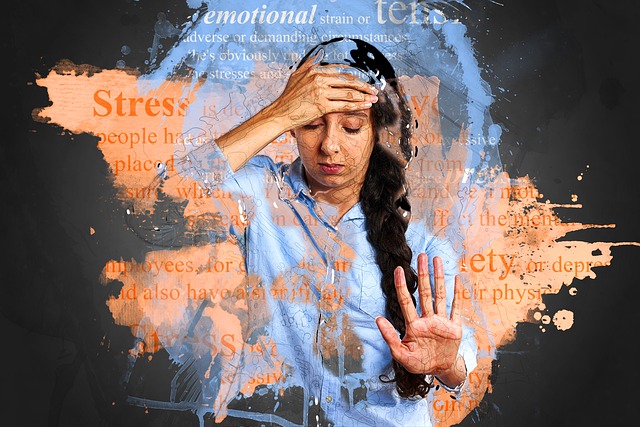
Although much is talked in the media about this condition – normally bad stress – but actually feeling stress is perfectly normal when experiencing things such as exam time. It can be classified into two areas – the good and the bad. Sometimes at work it can be motivating (good stress) but there are times when you may feel incredibly overwhelmed resulting in difficulty in concentrating on anything (bad stress).

Are there benefits?

Yes – It is actually a burst of energy it helps you decide on what to do. In small doses it can help you meet regular challenges providing motivation to reach goals more efficiently. Amazingly it can even boost memory.

We are more aware of this condition when it acts as a warning system – fight or flight that alerts the sensors to danger keeping us safe! In fact the body produces chemicals that create a variety of reactions including increased heart rate and blood pressure.

What are the down sides?

Because we see so much about bad stress in the media we are aware that it can be detrimental to our health. This is especially true if you suffer from stress that is ongoing and prolonged. It causes conditions such as depression, sleeplessness and high blood pressure and can be harmful to your heart.

What is Too Much?

As we are all different and our reactions to it will vary it can be difficult to tell whether you are suffering from the bad or the good. There are some key indicators when you are suffering from too much stress including:

  • Difficulty sleeping or feeling sleepy all the time
  • Frequent bouts of flu/colds or just generally aching
  • Feeling irritable/angry
  • Struggling to concentrate
  • Eating too much or having no appetite at all

What is a Tennis Elbow?

Tennis elbow is normally identified with pain on the outside of the elbow whereas Golfer’s elbow is often pain on the inside of the elbow. This condition is an overuse injury caused by repeated stress on the elbow joint. When the muscles are overused or strained small tears and swelling (inflammation) can develop near the bend in the arm on the outside of your elbow. Although the common name is Tennis elbow and it could be caused by tennis, it is more often associated with other activities that place stress on the arm and specifically the elbow joint. Activities could include manual work, playing sport or music, or doing things such as painting and decorating, playing squash or playing a musical instrument such as a fiddle or violin.

How does a tennis elbow feel and who may be affected?

Initially, you might feel pain in your upper forearm. It could be painful when you are lifting, twisting or bending your arm. You may feel pain when you are gripping things such as a racket. It could be that you also find it difficult to straighten your arm. According to the NHS around 5 in every 1,000 people will go to see their Doctor about this condition and that as many as one in three people have it at any given time. It is most commonly seen, equally in men and women, who are between 40 and 60 years old.

What causes heel pain?

Heel pain is most commonly one of two conditions either Plantar Fasciitis (bottom of the heal) or Achilles tendinopathy (back of the heal)

What is Plantar Fasciitis?

Plantar fasciitis is one of the most common injuries that we see at the Theale Wellbeing Centre. It is the most frequent cause of chronic heel pain usually where the fascia under the foot inserts into the heel bone. It is thought to have a mechanical origin and can be associated with increased body weight and lower limb biomechanical anomalies. Inflammation is only rarely observed and so anti-inflammatory agents (e.g. Ibuprofen) are unlikely to be of much help. The priority should be to speak to one of our podiatrists as soon as possible as an early intervention usually leads to a better outcome. When managing Plantar Fasciitis, the following should be considered: –

  • Taping may help in the early stage. If this proves beneficial in terms of pain relief and improved function, shoe inserts (orthotics) should be considered as part of a longer term solution.
  • Calf and plantar fascia stretching should be undertaken regularly.
  • Footwear should be assessed to ensure that it is appropriate for you.
  • If the pain in the heel has been present for a prolonged period e.g. 6 months. Shockwave therapy should be considered.
  • The pain associated with Plantar fasciitis usually encourages sufferers to become more sedentary.
  • As increased body weight predisposes someone to have plantar fasciitis it is important to have a plan that helps to maintain a healthy body weight.

Back Pain

According to UNISON – “Back pain is one of the biggest causes of work absences, accounting for more than 12 million days lost every year.”

Back pain is very common and in most cases will improve within a few weeks/months. Lower back pain is the most common although of course back pain covers anywhere along the spine from the neck down to the hips.

In most cases the pain is due to a sprain or strain and will usually get better over time.

There are things you can do at home to help relieve the pain, but sometimes it can last a long time or keep coming back.

THINGS YOU CAN DO TO RELIEVE BACK PAIN

Here are some tips that may help to reduce your pain and speed up recovery:-

  • Stay as active as you possibly can
  • Try to continue your daily activities
  • Resist resting for long periods of time as this is likely to make the pain worse
  • Do keep up with gentle exercise and stretches that are specifically for back pain
  • Try other activities such as walking, swimming, yoga and Pilates that may be helpful
  • Use hot or cold packs for short term relief – these are normally available from pharmacies
  • Remain positive, it is shown that a positive attitude can help speed up recover

Normally back pain usually gets better on its own within a few weeks/months so you may not need to get professional help.

If the pain does persist and/or get worse then you should seek professional help such as an osteopath. So if any of the following applies to you, seek help:-

  • The pain doesn’t improve within a week or two
  • You can’t do your daily activities due to the pain
  • You are experiencing severe persistent pain
  • The pain is causing you anxiety or worry

TREATMENT

Treatment for back pain available from Theale Wellbeing Centre (links will be attached to each of these therapies)

Things to do to avoid back strain/sprain

  • Keep active
  • Do regular stretches
  • Take regular exercise
  • Avoid sitting for long periods of time
  • Ensure that if you are lifting heavy objects you are following health and safety guidelines
  • Be aware of your posture especially when sitting at computers/watching TV etc
  • Ensure that you have a good mattress that supports you correctly

If you have any concerns about back pain then contact our reception team who will arrange an appointment with one of our specialist therapists.